
Stories shape the world. LET’S shape IT WISELY.
At Distant Moon, we believe the right story can change everything. Our mission is to foster human flourishing through film—by bringing together two worlds that need each other to thrive. For brands, studios, and agencies, we deliver access to world-class film directors, crews, and storytellers who create work that captures hearts and moves audiences to action. For filmmakers, we provide the network, resources, and logistical muscle to unleash their full creative power. We are the bridge—representing today’s most exciting emerging talent and delivering end-to-end creative and production services for projects that aim to change the world.
The world-changing PArtners who trust us.


Our Mission
Storytelling should do more than entertain. It should move people to think, to feel, and to act.
Distant Moon is a film production studio dedicated to promoting human flourishing through storytelling. We empower our partners with films that challenge audiences to grapple with life’s essential questions, deepen their understanding of the world, and connect with the Creator who made that world.
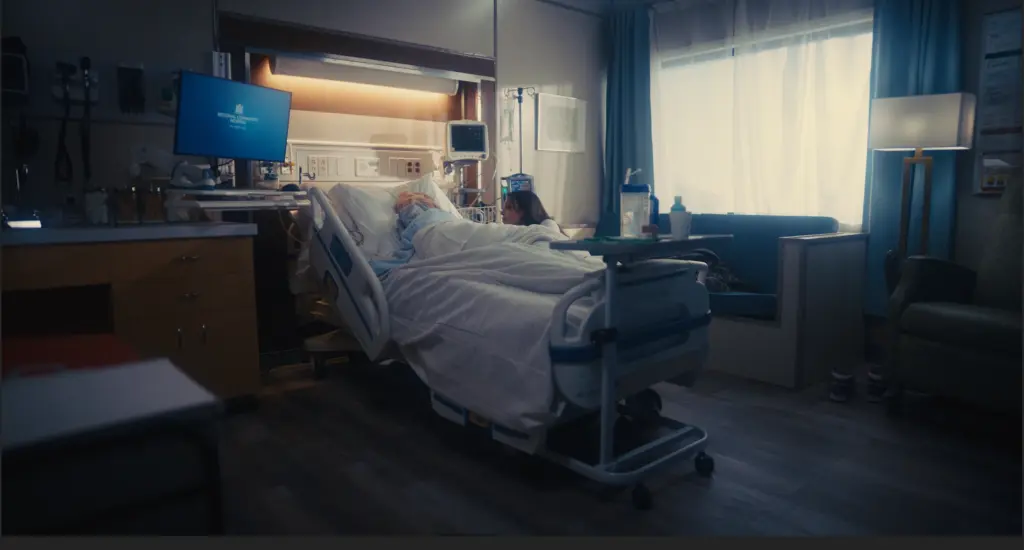
Wrestle with Life’s deepest questions
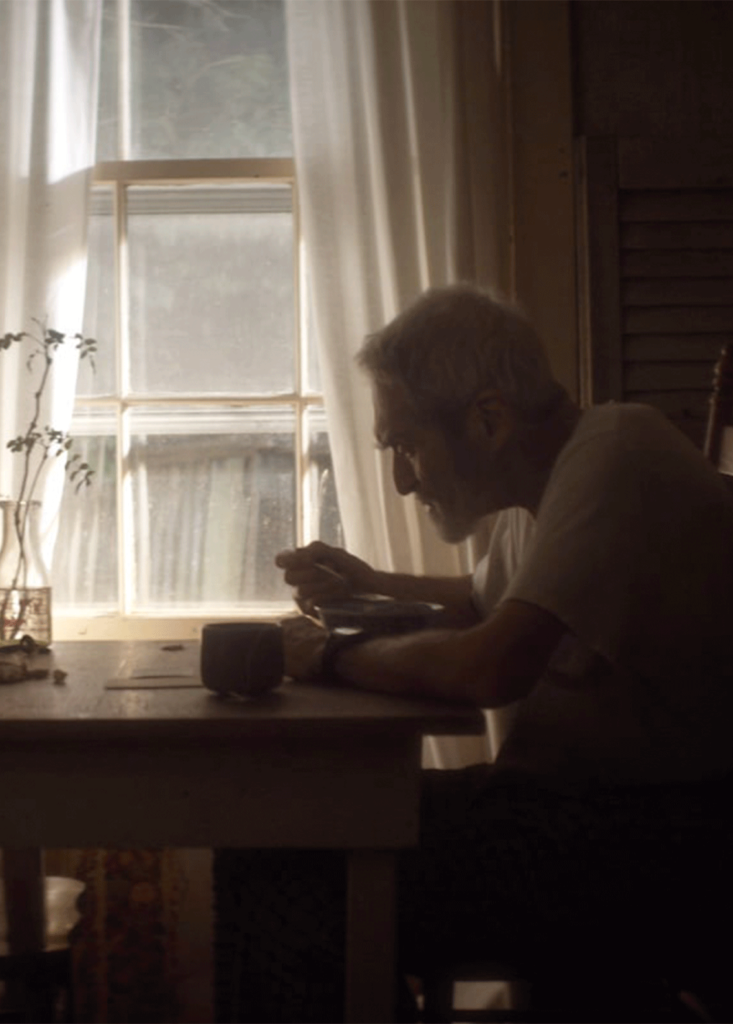
Understand the World around them more deeply
Come in Contact with the Creator of that World.
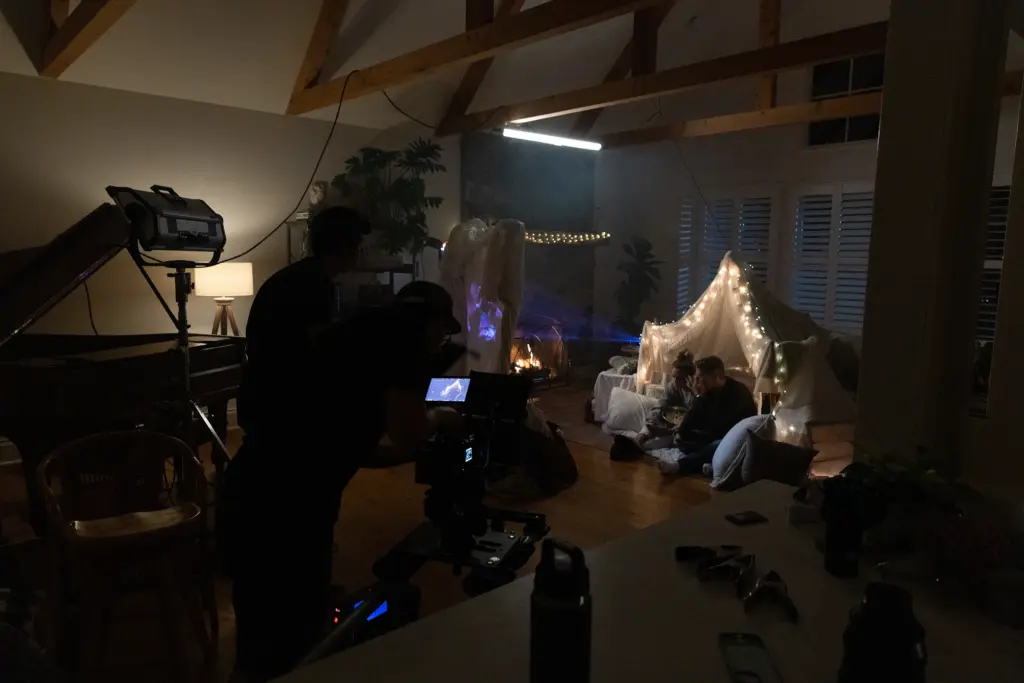
Turn Your Vision
to film
Mission Control is our multi-pronged process that captures your key objectives, risks, and messaging, ensuring that the project is a success.
Social Proof
Real Impact. Real Results.
This past couple weeks, we launched our first episode of the “Human Flourishing” show on YouTube. It’s a show that focuses on in depth conversations with the artists, entrepreneurs, thinkers and leaders who are shaping how we live, think, and believe.
What a joy, watching audiences I’ve never met enjoy a conversation that I was honored to have with the legendary @iamnicd. He was so generous with his time and so honest and open in the conversation. Thank you for making the first episode such a blast, bro!
And honestly I’m so thankful to all the incredible people who’ve watched over the past week! The YouTube community is incredibly encouraging. Check out some of the kind comments in the later slides. Glad the first episode is finding so much love.
Over the next few months we have so many other amazing guests I can’t wait to share! (Including new friends like @investmentjoy @jamiefloyd, @malcolmguiteofficial , #fathergregorypine and many old friends as well!)
Finally a huge shoutout to my producer and partner in crime in this show @jesseeastmancreative . He is the magician behind the curtain. (And also @julian_keene19 who makes sure we’re technically set each and every show!)
From an incredible conversation with @iamnicd – “We’re too connected. Stop comparing yourself to other people’s highlight reel.”
Full conversation going live on Monday! On Distant Moon’s YouTube channel.
The purpose of the new show “Human Flourishing,” is to inspire entrepreneurs, artists, creatives, and people trying to build things of value. Think of it like Diary of a CEO meets Modern Wisdom with a bit of CS Lewis.
I hope the conversations over the coming months are encouraging and inspiring!
With @distantmoonhq @jesseeastmancreative @brandondetraglia @snjohnson1014 @yettanother @chrisskomra @mariahschulien @the_frdishow
Day one of a new documentary shoot we’ll be producing over the next several months about one of the most important issues facing the United States – the U.S. labor crisis.
Good thing the real cameras were really in focus compared to my selfie game. Excited for a great team:
@mikerowe @mikeroweworks @chrismiz @mk.kmdig
@weareinverted @distantmoonhq @km.dig @dehrenberg @julian_keene19 @maktrob
Sharing as a reminder to myself just as much as an encouragement to everyone else: the dark night of the soul is temporary. Keep pushing.
Background: on Wednesday I had one of the most encouraging days of the year – meeting with likeminded producers and prod. Company I can’t wait to work with over the coming years. I was on a real high. Fast forward 24 hrs. Fevers, chest cold, and a deep sense of despair that is hard to even pinpoint the source of. Candidly from an objective perspective things are fine (even great). But sometimes an overwhelming sense of despair overcomes you. It@sometimes feels hypocritical sharing things like this knowing what a roller coaster life is, but my friend @drew.scala has been praying for me today. And i rewatched this video and it encouraged me. So I thought perhaps it will encourage you as well.
Some people think documentary means pointing a camera at real life people. I have always argued that the best documentaries captured the truth of the story by heightening the visuals and the immersive through techniques of narrative.
This week, my friends at @globalspeaks launched the film “Beyond Rivers Edge.”
It’s the story of the missionary who entered Ecuador only a handful of years after Jim Elliot was killed in the Amazon. Steve’s story involves being kidnapped, threatened held hostage, almost dying on several occasions from watching his family’s life being threatened as well.
We wanted to tell the story in a way that not only was true but was deeply immersive end immediately hooked audiences.
In these shots, you’ll see a few frames from the main interview with Steve and his wife Carol then you’ll see a screenshot from the Sun Seeker app that I always use on set to see where the sun is going to be so that we complete pre-plan the interview in the lighting to maintain consistency of visuals across long-term interviews (in this case several hours).
Finally, you’ll see shots of the lighting set up behind the scenes and the multiple cameras set up to capture the interview for multiple angles so that remain immersive for the audience.
Shot with a micro crew. Quick setup time. And hopping between locations hours apart over just a small handful of days. Link to full film in bio.
@jay_vida @johndarnell3rd @timhedberg_ @julian_keene19
A couple shots of a missionary who was taken captive, held hostage multiple times, almost drowned in a river, and was nearly killed in this spot. But it’s hard to describe his life without the explanation of miracles.
The full film just went live on YouTube! Check out the link in bio!
Huge thanks to @globalspeaks allenthornburgh @distantmoonhq @johndarnell3rd @jay_vida for making this incredible film possible. More info to come over the next few days!
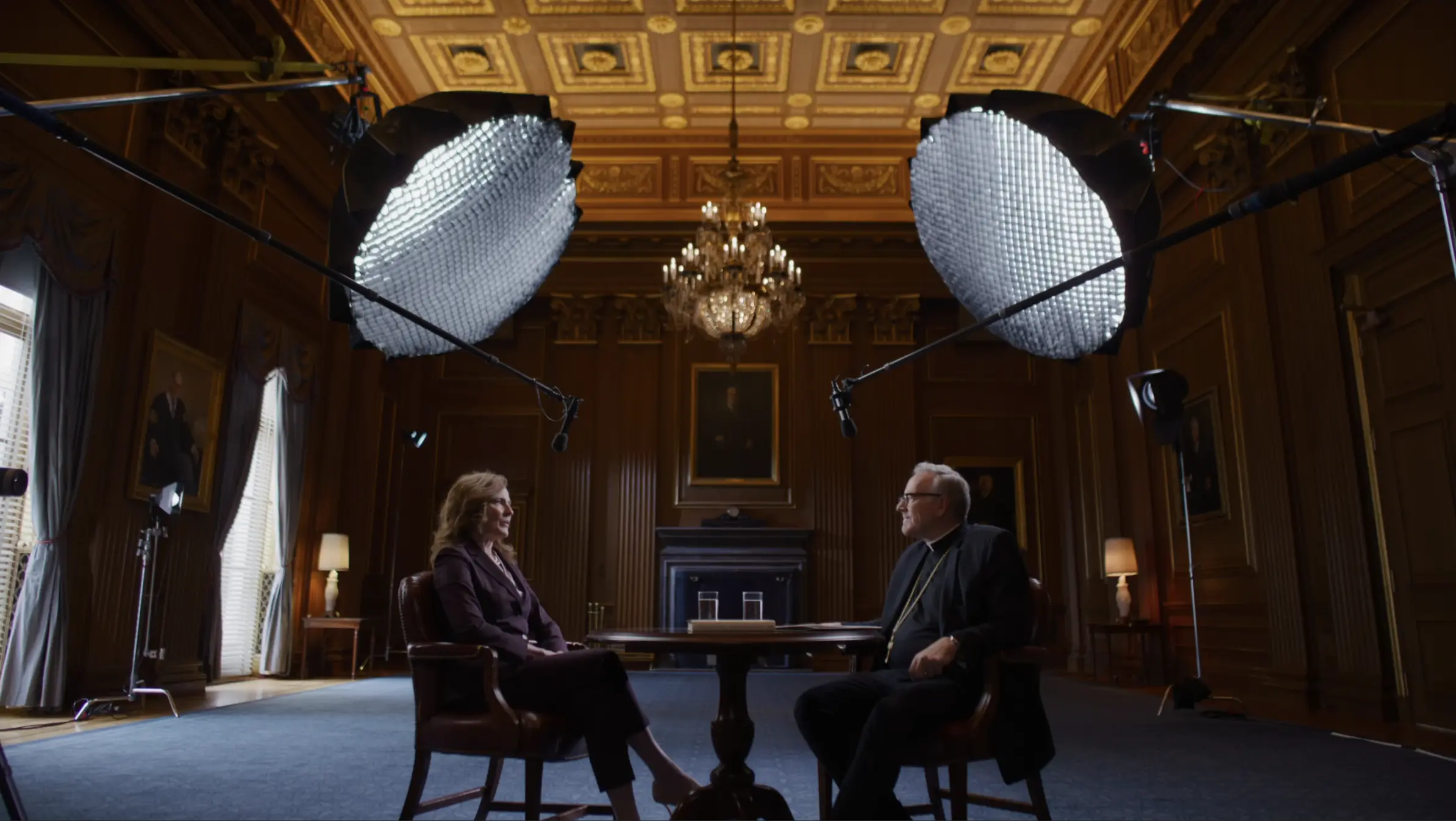
Another After/Before comparison from a recent shoot with vice president JD Vance and Bishop Robert Barron.
When working with high profile people like the vice president, there is a need for constant flexibility among the production team and crew. Last minute the night before the shoot, we were told that we would have to film in the vice president’s pool house, which is about a 15‘ x 12‘ room.
It’s very difficult in such a tight space to light a beautiful interview, create depth between subjects and background, and position lights so that there is separation of talent from the environment.
However, the camera and lighting team led by @dehrenberg knocked this one out out of the ballpark. check out the final frame on the first slide and then on the second slide you’ll see what the shot looked like while we were filming and then in the following slides, you’ll see the individual plates without talent as we shot different parts of the room for compositing in post production.
Thankful for the continually awesome team @d_cool20 @brandondetraglia @julian_keene19 @kacie.lynn_ @snjohnson1014 @taylorroesch @stuhaightvideo Caleb Symmons and many others
Thank you to @jdvance @bishopbarron @wordonfire_catholicministries
@distantmoonhq
Hey all! A few posts have gone viral over the last couple weeks, so I figured I’d introduce myself to all the new friends here. And share a note of encouragement.
Here’s the TLDR: Don’t cut your journey short. This industry is insanely hard. If you’re called to create, stick with it. I’ve been at it for 22 years. Sounds crazy when you say it like that. haha (I’m 36. And, yeah, I started when I was 14.)
I knew I wanted to be a filmmaker when I was 11. I Started getting paid for video work at 14.
After 10 years of working at it in 2014 at 24, I went freelance full time. (Three months before my wife and I had our first son.)
For the next four years it was a GRIND. I had tons of panic attacks, felt incredibly lonely, and even though I was growing in my craft and becoming more financially steady in many ways I was miserable. At this point I felt like I needed to start building a team around me.
2018: hired my first team member at Distant Moon. @jesseeastmancreative
2026, eight years later: we’re 26 people (and hiring 3 more right now)! woohoo. haha
The crazy thing is that when you look forward, all you can see is how far you have to go to get to your dream. But looking backward can be shocking, because my guess is you’ve come way further than you usually realize. Thats definitely true for me. As I work on several feature docs, a feature film script, and a multiple streaming series right now, I think about how 2 years ago it didn’t even feel like I was close to this level of projects. And yet, I’m still SO far from my ultimate dream (maybe more on that in a later post).
So the thing I’ve been thinking about lately: this is a lifetime journey. And the dream usually feels further away than it actually is.
If you’re early on your path and like me 12 years ago when I went freelance, I’d say, chill. Stay with it. This industry will test you. Some partnerships WILL go wrong. None of that means you’re off course.
Don’t cut your journey short. Stick with your calling.
Glad you’re here. Hope you stick around!
@distantmoonhq
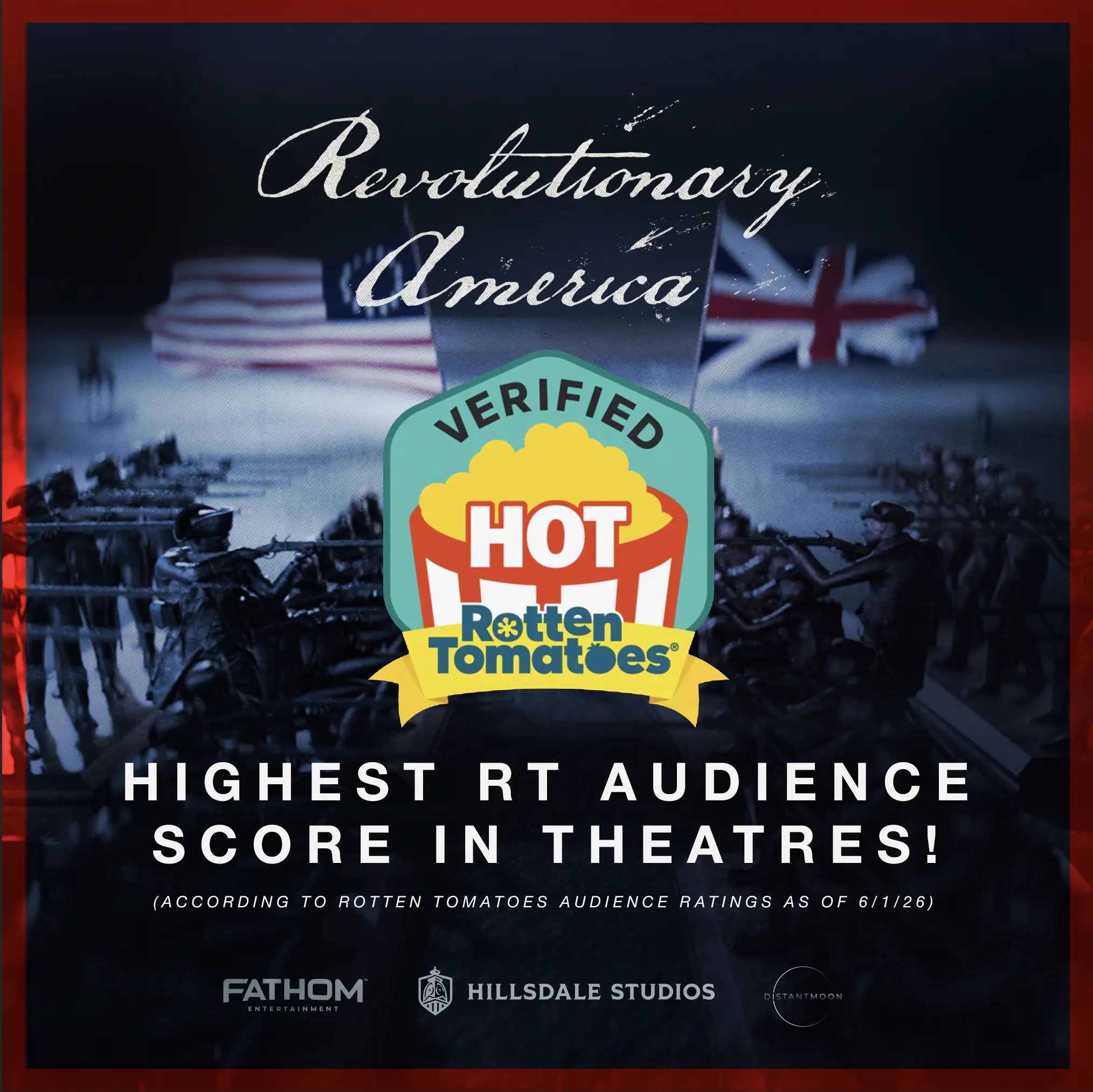
In honor of the 250th Independence Day, I wanted to post some opening shots from our documentary “Revolutionary America.” It’s not in theaters any longer but @hillsdalecollege made the generous decision to release the film for free during the month of July.
This morning I’ve been dwelling in the opening lines from our script. Perhaps will resonate with you as well: (no formatting changed, so enjoy the bts! Haha)
NARRATOR [SELLECK]:
Writing at [age] sixty-five, Benjamin Rush looked out over a bustling Philadelphia – its revolutions settled, its currency strengthening, its confidence rising. Yet thirty-five years after Rush and fifty-five other patriots pledged their lives, fortunes, and sacred honor to independence, the country was already beginning to forget.
METAXES:
Human beings are predisposed not to remember. […] You see, the founders. Already noticing that we’re […] forgetting, because the founding generation is dying out,and we need to remind ourselves of these basics, lest we drift away and lose our liberties.
LOVELL:
Our founders were no fools. They recognized how bloody history was. […] There will always be tyrants and foreign armies. They don’t just live and let live. That’s not what tyrants do all of world history, is red with blood. It just is. Peace is the outlier. It’s not the norm.
@jeremiahreganhcoc @distantmoonhq @ryanmoorecomposer
How does color temperature impact the realism of lighting a scene?
This was the question that I asked our DP @mikecurry_dp last year when we were on set of Hillsdale College’s upcoming course “The Odyssey.”
For this project, we built one of the largest sets we’ve built yet, and yet lighting it turned out to be pretty par for the course. (Pun intended. Sorry!) check out Mike’s response as he breaks down color temperatures, and how they can impact the look and feeling of a scene.
Find the Light (part 2).
Continuing my post from yesterday, all of these frames are from a recent documentary. I shot in Ecuador with a micro crew. None of these shots had any lighting or G&E. The most we had was a bead board for close-ups, but we shaped the light through selection of angles and locations in times of day.
Slide one we framed wide using shadowed for ground elements to focus the viewers eye and negative fill to create a sense of shape on close-ups.
Slide two we were on the top of a mountain overlooking a volcano in the Andes and shot using just natural blue light, positioning the talent under a street lamp to create color contrast between the blue environment and the warmth of the tungsten bulbs.
Slide three, showing locations where we chose backgrounds and places where we could use the sun as a backlight, filming from the shadow side to create a sense of separation between our subjects and their backgrounds.
Thankful for the killer team who made it all possible!
@globalspeaks @johndarnell3rd @jay_vida @timhedberg_ @julian_keene19 @brandondetraglia @nathanbittnerfilm @yettanother @distantmoonhq
Find the light (part 1).
On documentary work, especially when we are working with real life people and not professional talent, I’m always looking for locations that feel cinematic and provide a lot of their own lighting.
Often we think you need the perfect location. But usually you need to simply convey a story beat or an emotion. In this case, we needed to show two missionary partners working closely together and debating the next steps for their mission.
This room provided dramatic, lighting, and a sense of a lived-in-world with the children’s art on the walls. We filmed this entire scene in about 10 minutes in an already packed day involving two company moves and over 30 different set ups in the day. The only lighting was from the window you see in the first shot and we cheated angles for the over-the-shoulders to get the lighting to wrap nicely on the subjects’ faces.
With @johndarnell3rd @jay_vida Allen Thornburgh @timhedberg_ @distantmoonhq @julian_keene19 @brandondetraglia @nathanbittnerfilm @dist